Introduction
Understanding your competitors' Google Ads strategy is crucial for optimizing your own campaigns, finding new opportunities, and avoiding costly bidding wars. While the process can be manual, following a structured approach can yield powerful insights to refine your digital advertising strategy.
This guide walks you through the key steps to manually analyze your competitors' presence on Google Ads.
Step 1: Use the Google Ads Transparency Center
The Google Ads Transparency Center is the most direct and official starting point. It is a searchable public library where you can view the ads any verified advertiser is currently running across Google's platforms, including Search, Display, and YouTube.
How to use it:
Go to the Ads Transparency Center website.
Enter a competitor's name or website URL in the search bar.
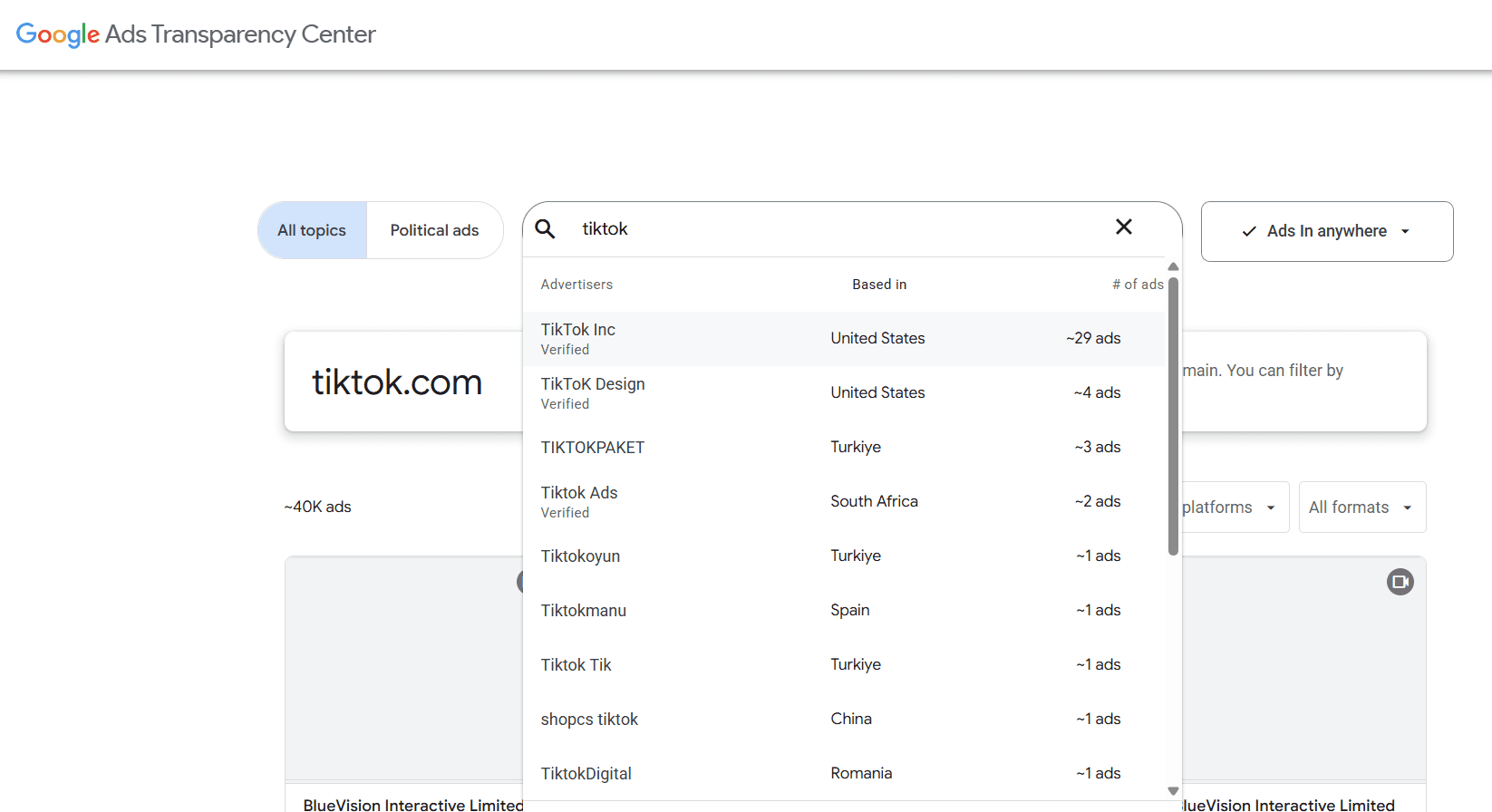
You will see a list of all active ads from that advertiser. You can filter by Region and Date to see what campaigns are live in your target market.
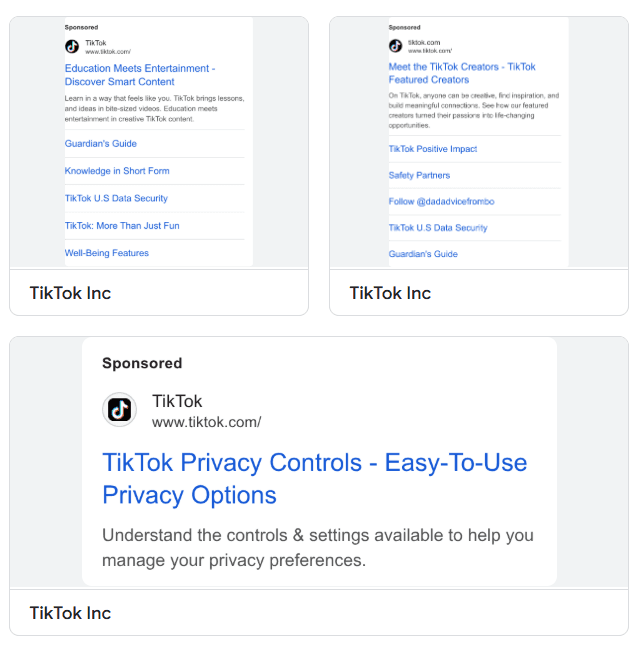
Analyze the ads: Look at the headlines, descriptions, and calls-to-action. Note the common themes, value propositions, and any special offers. This gives you a clear view of their current messaging and active promotions.
Step 2: Analyze Ad Copy & Landing Page Strategy
Seeing an ad is one thing; understanding its full strategy is another. This step involves a deeper dive into the connection between the ad and the page it leads to.
What to look for:
Ad Creative:
- Is their headline emotional or feature-focused?
- Do they use numbers, questions, or urgency ("Limited Time Offer")?
- What unique selling proposition (USP) do they highlight?Landing Page Match: Does the landing page directly deliver what the ad promises? A strong, relevant landing page indicates a well-structured campaign. Note the page's design, the primary call-to-action (e.g., "Start Free Trial," "Download Ebook"), and any lead capture forms.
Remarketing Clues: Visit a competitor's website, then browse other sites. If you start seeing their display ads following you, they have a remarketing (retargeting) campaign active. This tells you they are investing in recapturing lost visitors.
Step 3: Expand With Competitor Tracking Platforms
Manual research is a solid starting point, but it has clear limits: it is slow, provides only a momentary snapshot, and cannot track changes in real-time. To build a sustainable competitive advantage, you need a system that works continuously. This is where dedicated competitor tracking platforms become essential.
These tools are designed to automate the entire process of competitive intelligence in digital advertising. Instead of you searching for data, the data is delivered to you. They continuously scan search results, ad networks, and the wider web to track your competitors' every move.
For example, a platform like Outspy goes beyond traditional ad tracking. The platform continuously analyzes your competitors' paid search campaigns, their messaging across platforms, their social media posts, the keywords they target, and their broader advertising activity.

Read more on Outspy in our article and get a free competitor Google Ads report.
Conclusion
Analyzing competitors on Google Ads is a multi-layered process. The goal here is not imitation, but strategic empowerment.
By understanding your competitors' keywords, ad copy, and landing page tactics, you can identify market gaps, discover new keyword opportunities, and craft more compelling, differentiated campaigns of your own.